Bengal
Also known as: Leopard Cat Hybrid, Bengal Leopard
An athletic, high-energy breed notable for its wild leopard-like rosettes, glistening pelt, and muscular physique.

Medium
8 – 15 lbs (3.6 – 6.8 kg)
12 – 16 years
Shorthair
Very High
Moderate
About the Bengal
Created by crossing Asian Leopard Cats (Prionailurus bengalensis) with domestic cats, the Bengal offers the exotic appearance of a miniature jungle cat combined with the affectionate, reliable nature of a domestic feline. Highly athletic and famously fascinated by running water, Bengals love climbing to the highest vantage points in the home.
Physical Appearance & Anatomy Matrix
Structural traits, coat variations, and facial architecture that define the Bengal breed standard.
Dense, plush, silky-soft with distinctive iridescent 'glitter' sheen
Broad modified wedge with prominent whisker pads and broad nose
Small to medium, rounded tips, wide base set back on head
Large, oval to round with black mascara markings
Medium frame with distinct musculature and proportion.
Medium length, thick, tapering to a rounded black tip
How to Visually Identify a Bengal
When evaluating whether a cat exhibits Bengal phenotypic heritage, look for these signature visual indicators:
Personality, Temperament & Behavior
Social
Interaction style with family members, visitors, and other household pets.
Very High
Daily playfulness, curiosity, and requirement for interactive physical games.
Moderate
Frequency and volume of meows, chirps, trills, and conversational tendencies.
Care, Grooming & Living Requirements
Weekly brushing; coat sheds very little and cleans easily
Requires extensive physical play, cat exercise wheels, and vertical climbing shelving
Thrives indoors when provided with an enriched, stimulating environment
AI Visual Phenotype vs. Certified Pedigree Reality
Visual breed identification determines phenotypic resemblance—detecting whether a cat displays the coat color, bone structure, ear geometry, and facial markers associated with the Bengal standard. However, an authentic purebred cat can only be certified through official genealogical registration documents (such as TICA or CFA pedigree papers). A cat showing strong Bengal characteristics is frequently a magnificent domestic mix inheriting prominent ancestral genes.
Frequently Asked Questions About Bengals
Do Bengal cats really like water?
Yes! Many Bengals inherit an affinity for water from their wild ancestors, frequently playing in sinks or stepping into showers.
How can you tell a Bengal cat apart from a standard tabby?
Bengals feature distinctive two-toned rosettes (spots with dark rims and warmer centers) or wild marbled swirls, a dense pelt with a metallic 'glitter' sheen, and an athletic body with longer hind legs. Domestic tabby cats have linear stripes or blotched swirls without rosettes or pelt glitter.
Are Bengal cats demanding or vocal companions?
Bengals are highly active, intellectually demanding cats that require stimulating exercise, cat trees, and puzzle toys. They communicate openly with distinctive raspy meows, chirps, and conversational trills.
Head-to-Head Comparisons
Similar Breeds You Might Like

Abyssinian
Southeast Asia / EthiopiaA lithe, highly athletic feline with a ticked agouti coat resembling wild rabbits, large ears, and an insatiable curiosity.

Siamese
ThailandA sleek, highly vocal and affectionate ancient breed featuring sharp color contrast points and brilliant blue almond eyes.
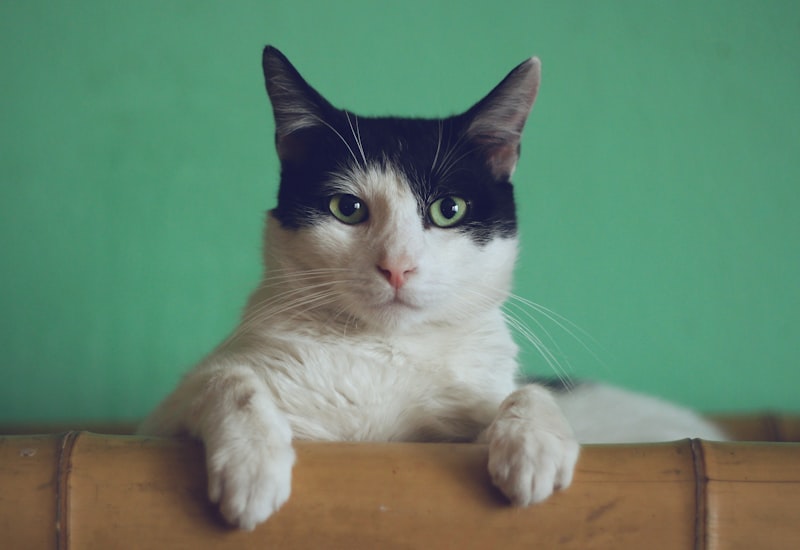
American Shorthair
United StatesA versatile, robust working cat breed renowned for its hardy constitution, classic silver tabby coat, and adaptable nature.
Does Your Cat Look Like a Bengal?
Upload a clear photo of your cat to CatAnalyzer. Our AI vision model evaluates head structure, coat patterns, ear tufting, and body proportions to give you a transparent phenotypic breakdown.